Abu Dhabi’s Record Development Push
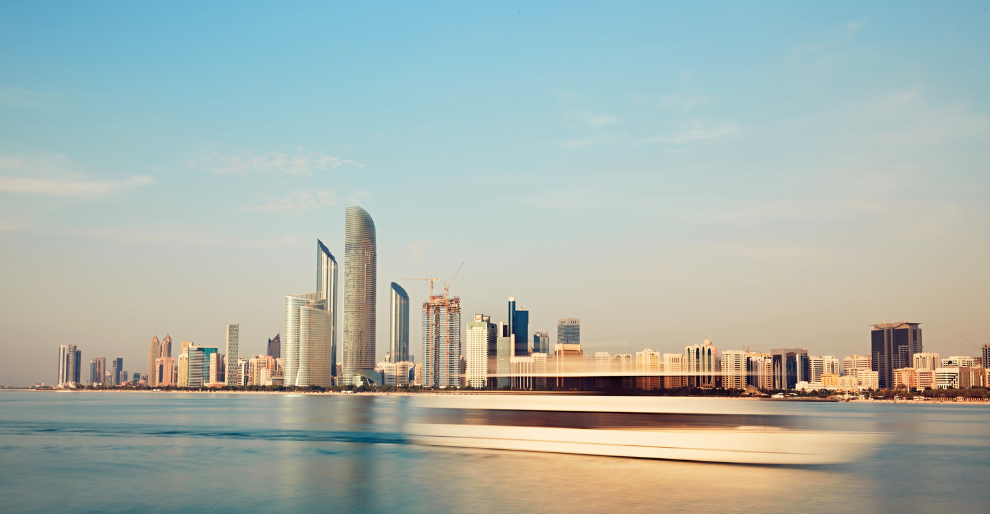
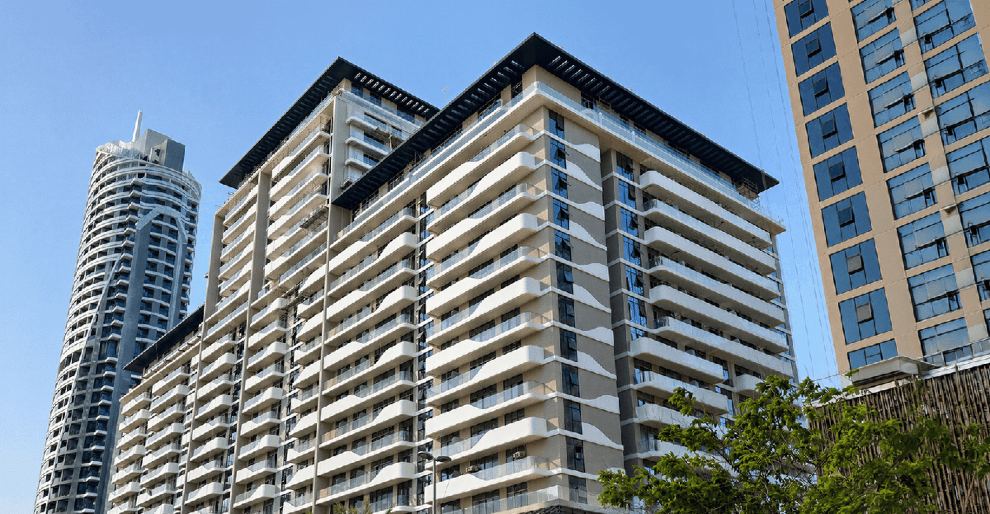
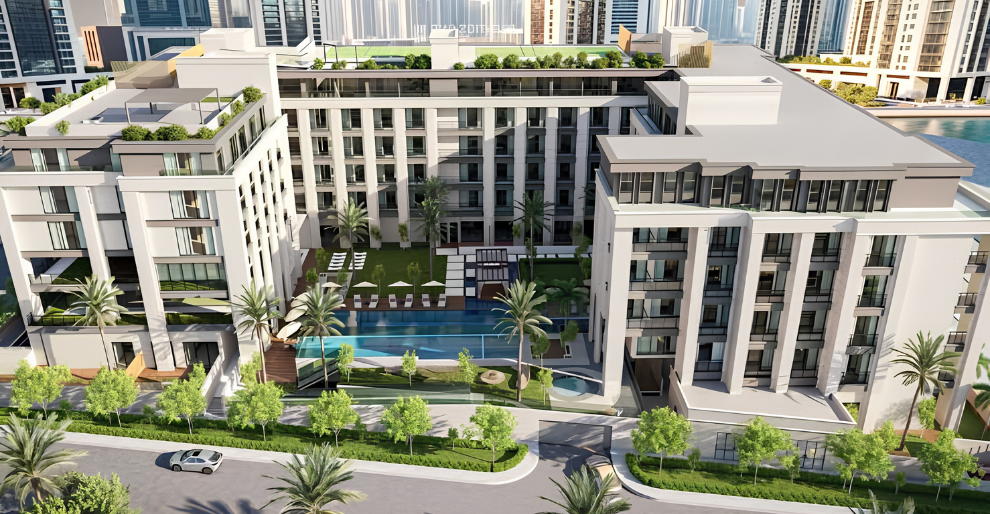
Abu Dhabi's approval of nearly 75 million square metres of new development for 2025 marks one of the most significant urban expansion phases in the emirate's history, with close to 190,000 new homes planned across emerging and existing neighbourhoods. This surge reflects a 137 percent year‑on‑year increase in gross floor area approvals and positions the capital for accelerated population growth, economic diversification, and long‑term real estate expansion.
Scale of the new development
The Department of Municipalities and Transport (DMT) confirmed that the approved gross floor area is equivalent to building the entire developed capacity of Yas Island seven times over, underscoring the magnitude of Abu Dhabi’s construction pipeline.More than 11,000 building permits were issued during 2025, reflecting a 15 percent annual increase and signalling strong momentum across the construction sector.
Housing as the primary driver
Housing represents the largest share of the approved development, with nearly 190,000 residential units planned. These homes will be distributed across both new districts and expanding communities, supporting the emirate’s long‑term strategy to accommodate a growing population and enhance the quality of urban living.This expansion aligns with Abu Dhabi's broader vision of creating sustainable, master‑planned neighbourhoods that integrate residential, commercial, and community infrastructure.
Growth beyond residential development
While housing leads the approvals, several other sectors are driving the surge:Industrial zones supporting manufacturing and logistics
Tourism‑focused projects enhancing Abu Dhabi's global appeal
Data centres and advanced manufacturing facilities strengthening the emirate’s digital and technological capabilities
These sectors reflect a deliberate push to diversify the economy and reduce reliance on hydrocarbons.
Implications for the real estate market
The scale of the approved development carries several implications:Increased investor confidence: A 137 percent rise in approved gross floor area signals strong developer interest and a supportive regulatory environment.
Urban transformation: New mixed‑use districts and infrastructure upgrades will reshape the city’s layout and density.
Long‑term supply growth: The addition of nearly 190,000 homes may influence future pricing and rental trends as new communities come online.
Faster development cycles: Streamlined planning processes have reduced approval timelines, removing up to 60 days from developer workflows.
What to watch as projects progress
Several factors will shape how this development wave impacts Abu Dhabi over the coming years:The pace at which approved projects transition into active construction
The distribution of new housing across key districts
Infrastructure investments accompanying large‑scale expansion
The ripple effect on neighbouring markets, including Dubai
Understanding where the largest clusters of new homes will be located can help anticipate future demand patterns.
new & articles