Rise of the Machines: Dubai Construction Site Deploys AI Robots
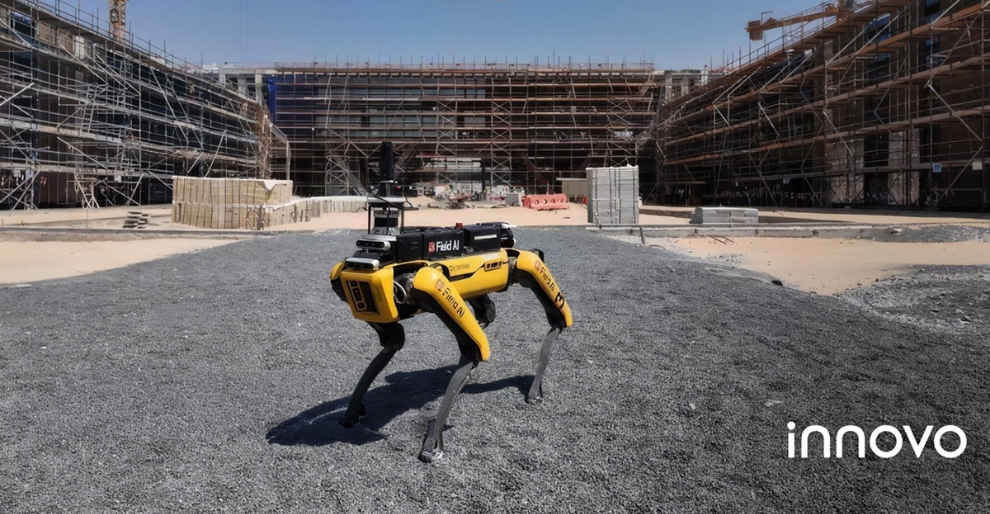
Dubai has taken a decisive step into the future by deploying advanced AI‑powered robots on a live construction site, marking a historic moment for the Middle East's construction and technology sectors. This initiative, led by Innovo Group in collaboration with FieldAI, introduces general‑purpose autonomous robots to the massive Ghaf Woods development, an AED 1.7 billion project. The deployment represents the region's first large‑scale use of physical AI in an active construction environment, signaling a major shift toward automation, efficiency, and digital transformation.
The robots introduced at the site are equipped with a universal AI brain capable of adapting to different tasks, terrains, and operational challenges. Unlike traditional construction machinery, these robots can navigate unstructured environments, capture real‑time data, and perform inspections in hazardous or hard‑to‑reach areas. Their ability to operate in Dubai's extreme heat makes this deployment not only groundbreaking but also a global benchmark for robotics performance in harsh climates. FieldAI has emphasized that if robots can function reliably in the UAE's demanding conditions, they can operate almost anywhere in the world.
Dubai's construction sector has long been characterized by rapid growth, tight deadlines, and high labor demands. The introduction of AI robots directly addresses these challenges by improving productivity, enhancing safety, and reducing operational costs. Robots can work continuously without fatigue, provide precise site documentation, and minimize human exposure to dangerous tasks. This shift allows human workers to transition into supervisory, technical, and decision‑making roles, supporting a model of augmented labor rather than outright replacement.
One of the most transformative aspects of this deployment is the robots ability to automate progress tracking. By generating accurate 3D models, capturing site imagery, and measuring structural changes, they eliminate delays associated with manual reporting. Project managers gain access to real‑time dashboards, enabling faster and more informed decision‑making. Additionally, multi‑robot coordination opens the door to future applications such as autonomous material movement, automated assembly, and synchronized fleet operations.
The economic implications of this technological leap are significant. With hundreds of active mega projects across the emirate, AI‑driven automation could save billions by reducing delays, optimizing resource allocation, and improving build quality. Dubai's regulatory openness and commitment to innovation further position it as a global hub for physical AI development and testing.
As the Ghaf Woods deployment progresses, it is expected to pave the way for broader adoption of robotics across the UAE's construction landscape. The future may see fully automated construction zones where robots handle logistics, inspections, and assembly while humans oversee strategy and quality control. Dubai's embrace of AI robotics marks the beginning of a new era one where technology and construction merge to redefine how cities are built.
new & articles

.png)